
|
|
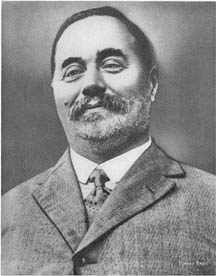 and Ban (viceroy) in Zagreb, and national autonomy were the two major objectives of the Croatian nationalist forces. In their eyes, autonomy would secure for the Croatians equality with the Germans and the Magyars in the Habsburg empire. Political activities and control of the existing parties at the time were in the hands of the upper and middle classes, while the majority of the people did not have the right to vote. Those who were involved in the political process were divided into three principal factions. One supported the existing regime; the other two advocated national autonomy but with different goals in mind: one looked toward a vague idea of South Slavic unity; the other envisioned a Croatian independent state as the ultimate goal.